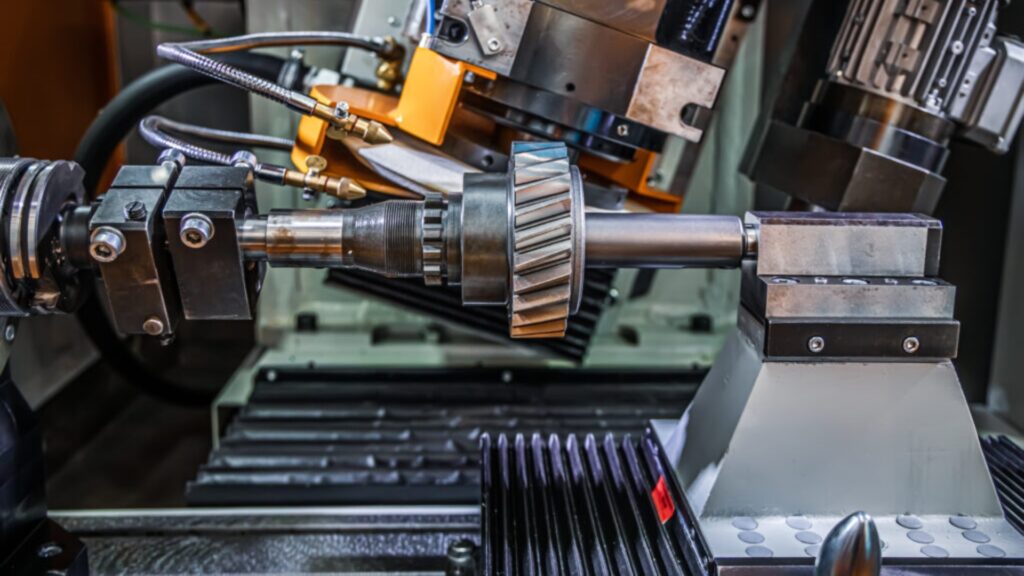
When precision machining equipment operate at extreme RPM, even a minor mass error can create serious problems for production quality, machine health, and daily output. Dynamic Balancing Technologies provides high speed precision spindle balancing for Grand Rapids manufacturers that need reliable click here correction. This service helps reduce tool chatter, improve machining accuracy, and prevent costly downtime. With in-shop capabilities, the team can diagnose imbalance issues and correct them with minimal disruption to active production schedules. Their process uses advanced vibration analysis, balance correction methods, and proper documentation so facilities can track results with confidence. For businesses in machine tool manufacturing, spindle balancing is not just a repair service but a smart maintenance strategy that protects productivity, part quality, and long-term equipment performance.
Understanding High Speed Precision Spindle Balancing
High speed precision spindle balancing is the process of identifying and correcting uneven mass distribution in rotating spindle assemblies that run at very high speeds. When a spindle turns at extreme rotational speeds, imbalance can become magnified and create vibration that damages bearings, tooling, and finished parts. Dynamic Balancing Technologies applies this process to grinding spindles, high-speed rotors, and other rotating equipment used in Grand Rapids manufacturing environments. Unlike stationary balancing, dynamic balancing evaluates the component while it is rotating so the correction reflects real operating conditions. Depending on the part shape, size, and length, the team may use single-plane balancing to achieve the right level of precision. This allows manufacturers to reduce vibration, improve equipment stability, and keep industrial processes running smoothly.
Why Spindle Balancing Is Critical for Manufacturers
At high RPM, centrifugal force increases quickly, which means a tiny imbalance can produce major vibration inside the spindle assembly. That vibration can lead to tool chatter, poor surface finish, dimensional inaccuracy, and reduced tool life. For Grand Rapids manufacturers, these problems can cause scrap parts and create expensive downtime that affects the entire production schedule. Dynamic Balancing Technologies helps prevent these issues by finding imbalance early and correcting it before it becomes a larger mechanical failure. Their balancing service supports facilities that rely on repeatable machining and cannot afford unstable spindle performance. By using professional spindle balancing as part of a maintenance program, companies can protect equipment, improve part quality, and reduce the risk of costly emergency repairs.
Warning Signs of Spindle Imbalance
Several warning signs can indicate that a CNC spindle needs professional balancing. One of the most common symptoms is abnormal machine vibration, especially during high-speed cutting or heavy production runs. Operators may also notice a low humming sound that becomes more obvious as RPM increases. Poor surface finish, chatter marks, tolerance drift, and rejected parts can also point to unbalance problems. Premature bearing wear, overheating near the spindle nose, lubrication issues, and frequent insert breakage may also signal that unbalanced forces are damaging the system. Dynamic Balancing Technologies uses FFT vibration analysis to determine whether imbalance is the root cause and then corrects the issue so the spindle can return to stable operation.
Manufacturing Sectors That Benefit from Spindle Balancing
Grand Rapids and the surrounding Michigan region include many businesses that depend on precision manufacturing systems. Dynamic Balancing Technologies supports manufacturers in machine tool sectors where accuracy, uptime, and repeatable performance are essential. Their services also help facilities involved in steel production, paper mills, textile plants, heat treating operations, and ethanol plants. These industries often use equipment such as fans, armatures, spindle assemblies, tool holders, and other rotating components that must stay balanced to perform properly. When vibration goes untreated, it can affect product quality, energy efficiency, maintenance costs, and equipment lifespan. By providing professional balancing and vibration support, Dynamic Balancing Technologies helps industrial facilities maintain stronger reliability across demanding production environments.
Balancing Quality, Documentation, and Measurement Standards
Dynamic Balancing Technologies provides spindle balancing services based on recognized standards. Their work can support balance grades such as ISO G 1.0, depending on the application and vibration sensitivity of the equipment. For general machine tool spindles, ISO G 2.5 may be suitable, while more sensitive equipment such as grinding spindles may require tighter correction. The team uses reliable measurement tools to capture vibration data and provide defensible results for maintenance and quality records. FFT diagnostics help separate imbalance from bearing defects, allowing the technicians to correct the actual problem instead of guessing. This combination of precision measurement, balance correction, and documentation gives Grand Rapids manufacturers a stronger foundation for quality control and preventative maintenance.
How the Spindle Balancing Process Works
The spindle balancing process begins with a diagnostic review to understand the equipment condition and symptoms. Dynamic Balancing Technologies can perform this evaluation through mobile service support, depending on the machine, component, and urgency of the issue. The team then uses vibration diagnostics to determine whether the problem is caused by imbalance, misalignment, bearing damage, or another mechanical condition. Once imbalance is confirmed, correction is performed at the appropriate operating speed whenever possible, helping restore stable spindle performance. After the work is complete, the team can provide balance correction data to verify improvement and support maintenance records. This process helps manufacturers reduce downtime, avoid unnecessary disassembly, and return equipment to productive service with greater confidence.
Service Areas Across Grand Rapids and the Midwest
Dynamic Balancing Technologies serves industrial facilities across Michigan with both onsite and in-shop spindle balancing support. Their mobile service capabilities help businesses receive balancing and vibration analysis without always needing to remove equipment or ship components away. This is especially valuable for manufacturers that need minimal downtime when production equipment begins showing signs of imbalance. Beyond Grand Rapids and Michigan, the company also supports customers across Illinois, Kentucky, Pennsylvania, and Wisconsin. For urgent industrial needs, the team can provide emergency onsite balancing support for time-sensitive situations where equipment failure can interrupt production. This regional reach gives manufacturers a practical partner for maintaining rotating equipment, restoring spindle performance, and protecting uptime across multiple facilities.
Choosing the Right Spindle Balancing Partner
Choosing the right balancing provider is important because high-speed spindle issues require experienced diagnostics. Dynamic Balancing Technologies brings hands-on knowledge, advanced vibration analysis, and balancing capabilities that support demanding industrial applications. Their services help reduce machine vibration, improve surface finish, and increase the reliability of high-speed equipment. Manufacturers also benefit from professional reporting that can support internal maintenance records, audits, and long-term equipment planning. The company works with facilities that need dependable support for CNC spindles, rotors, tool holders, fans, motors, and other rotating assets. For Grand Rapids businesses focused on uptime, part quality, and production efficiency, Dynamic Balancing Technologies offers a practical solution for preventing vibration-related failures before they become costly problems.
Frequently Asked Questions About Spindle Balancing
Manufacturers often ask questions about when balancing is needed, how long the process takes, and whether their spindle can be serviced onsite. Dynamic Balancing Technologies helps answer these questions through vibration testing so facilities can make informed maintenance decisions. High speed spindle balancing is especially important when equipment runs above normal operating speeds and begins showing signs of vibration, noise, heat, or quality issues. In many cases, onsite balancing can reduce downtime because the team can diagnose and correct the problem without requiring full machine removal. Documentation is also an important part of the process because it gives maintenance teams balance correction data. The following FAQs explain the main details businesses should know before scheduling spindle balancing service.
How does high speed spindle balancing work?
High speed precision spindle balancing is the process of finding imbalance in rotating spindle assemblies and correcting it so the spindle runs more smoothly. Dynamic Balancing Technologies uses balance correction methods to reduce harmful vibration. This helps improve bearing life.
When should a high speed spindle be balanced?
Spindle balancing becomes more important as RPM increases because minor imbalance becomes amplified. Spindles operating above standard machining speeds can benefit from professional balancing, while equipment running at 20,000 RPM or beyond often requires more precise correction. Dynamic Balancing Technologies helps reduce bearing damage caused by high-speed imbalance.
Can spindle balancing be done at my facility?
In many situations, Dynamic Balancing Technologies can perform onsite spindle balancing without fully removing the spindle from the machine. This depends on equipment condition, but onsite service can often reduce downtime. Their portable systems help analyze and correct high-speed instability directly at the facility.
What is the typical turnaround time for spindle balancing?
Most spindle balancing work can be completed within a practical service window, depending on the spindle type and severity of the imbalance. Emergency needs may require priority scheduling when production equipment is at risk. Dynamic Balancing Technologies focuses on restoring stable operation as efficiently as possible.
What documentation is provided after spindle balancing?
After balancing, Dynamic Balancing Technologies can provide balance correction data that shows the results of the work. This documentation may support maintenance records. It also helps facilities track vibration improvement over time.